
Written by a Professional Education Consultant | Updated for January 2026 Intake
If you are planning to study in the UK in January 2026, this guide is written specifically for you.
Over the past year, I’ve seen increasing confusion among students due to rumours on social media, half-truths from unverified agents, and fear created around UK immigration changes. As a professional education consultant and study-abroad blogger, my goal here is simple:
👉 Give you accurate, official, and practical information — directly aligned with UK government sources — explained in a student-friendly way.
Let’s go step by step.
Why the UK Is Still Open for Genuine Students in 2026
Despite tighter immigration control, the UK government has clearly stated that international students remain welcome — provided they are genuine.
According to policy direction from the UK Home Office, the focus is not on stopping students, but on:
- Preventing visa misuse
- Improving compliance
- Ensuring students understand their responsibilities
UK universities continue to actively recruit international students because education is one of the UK’s largest global exports.
What Is the UK Student Visa? (Official Definition)
The UK Student Visa allows international students to study at institutions licensed by the UK government.
As explained on GOV.UK, the visa applies to:
- Undergraduate programs
- Master’s degrees
- PhD & research programs
- Foundation and pathway courses
You must apply before travelling and meet all eligibility requirements set by UK Visas & Immigration (UKVI).
UK Study Visa January 2026 – All Confirmed Official Updates
🔴 1. Increased Financial Requirements (Confirmed & Enforced)
This is the most critical update for January 2026 applicants.
According to official Student Visa Rules published on GOV.UK:
Monthly Living Cost Requirement
- £1,529 per month – if studying in London
- £1,171 per month – if studying outside London
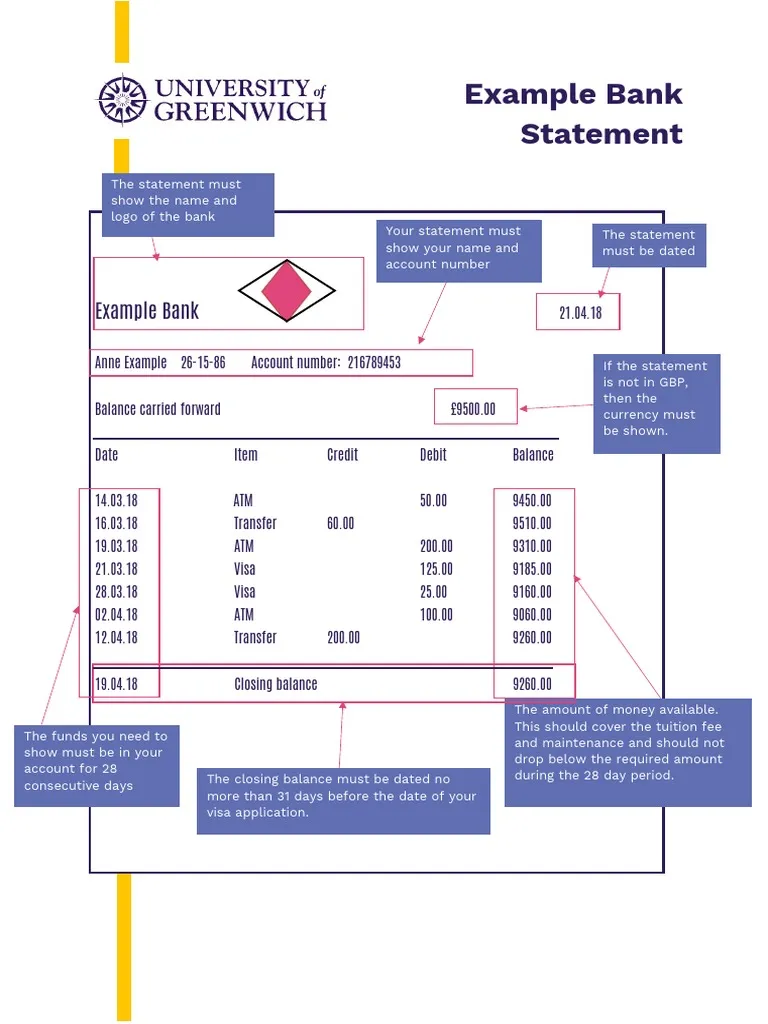
📌 You must show funds for up to 9 months
📌 Money must be held for 28 consecutive days
📌 Bank statements must meet UKVI formatting rules
🔗 Official reference: GOV.UK → Student Visa → Financial Evidence
💬 Consultant insight:
More than 60% of refusals I see are due to financial mistakes, not academic weakness.
🔴 2. Graduate Route (Post-Study Work): What January 2026 Students Get
This is where many students panic unnecessarily — so let’s be very clear.
According to Home Office Graduate Route policy papers:
✔ Students who complete their degree before 31 December 2026 are eligible for:
- 2 years post-study work (Bachelor’s & Master’s)
- 3 years (PhD)
⚠️ From 1 January 2027, the Graduate Route will reduce to 18 months for most degrees.
🎯 January 2026 intake students are NOT affected by this reduction if they apply within the valid window.
🔗 Official reference: GOV.UK → Graduate Visa
🔴 3. Fully Digital UK Student Visa (eVisa System)
The UK has now fully removed physical visa stickers.
As confirmed by UKVI updates on GOV.UK:
- Your visa is stored digitally (eVisa)
- Linked to your passport
- Proven via share codes
- Managed through a UKVI online account
📌 This applies to all new student visas in 2026
💬 Expert tip:
Always check your eVisa details before booking flights — small errors can cause travel delays.
4
English Language & Credibility Interviews – What Has Changed
English requirements themselves have not dramatically increased for study visas, but verification has.
According to UKVI compliance guidance:
- Universities must confirm your English ability
- UKVI may conduct credibility interviews
- You must explain:
- Course choice
- University selection
- Career progression
- Funding source
❌ Memorized answers = red flag
❌ Irrelevant course change = refusal risk
✔ Honest, logical explanation = approval confidence
Dependants Rule – January 2026 Reality
As confirmed in Student Route guidance on GOV.UK:
- Only PhD / research-based students can normally bring dependants
- Taught Master’s & Bachelor’s students cannot bring dependants
- This rule continues unchanged for January 2026
There are no confirmed plans to reverse this in early 2026.
Step-by-Step UK Student Visa Process (Expert Explanation)
Step 1: University Admission & CAS
Apply to a licensed sponsor and receive your Confirmation of Acceptance for Studies (CAS).
🔗 Official check: GOV.UK → Register of Licensed Sponsors
Step 2: Prepare Documents Correctly
- Passport
- CAS
- Bank statements
- English test result
- TB certificate (if applicable)
📌 Documents must match exact UKVI format rules
Step 3: Online Application
Apply only through GOV.UK, not third-party sites.
Pay:
- Visa application fee
- Immigration Health Surcharge (IHS)
🔗 Official portal: GOV.UK → Apply for Student Visa
Step 4: Biometrics & Decision
- Attend Visa Application Centre
- Standard decision time: 3 weeks
- Priority services available in some countries
Common UK Study Visa Refusal Reasons (2026)
Based on real cases I’ve handled:
- Funds not held for full 28 days
- Incorrect bank format
- Course unrelated to academic background
- Weak credibility interview
- Over-reliance on untrained agents
💡 A strong application is about clarity, consistency, and compliance.
Professional Advice for January 2026 Applicants
As someone actively working with UK admissions and visa frameworks, my honest advice is:
✔ Start early (6–8 months ahead)
✔ Use only official UK government information
✔ Prepare finances before CAS
✔ Choose courses strategically
✔ Avoid shortcuts and fake documentation
The UK is selective, not closed.
Is the UK Worth Studying in 2026? (Final Verdict)
For serious students, the answer is YES.
January 2026 offers:
- Stable visa rules
- Full Graduate Route eligibility
- Strong university support
- Clear government guidance
With proper planning, the UK remains one of the best study-abroad destinations globally.
Final Consultant Note
This blog is written to educate, not scare.
Policies change — but facts matter more than rumours.
If you follow official guidance and prepare honestly, your UK study visa is absolutely achievable in 2026.
Disclaimer
The information provided on this website is for general guidance and educational purposes only. While we make every effort to ensure that the content is accurate, up to date, and based on official UK government sources such as GOV.UK and the UK Home Office, immigration rules and visa policies are subject to change at any time without prior notice.
We do not guarantee visa approval, as all UK study visa applications are assessed individually by UK Visas and Immigration (UKVI) based on official regulations and the applicant’s personal circumstances.
The content published on this website does not constitute legal advice or immigration advice. Readers are strongly advised to verify all information directly from official UK government websites or consult with a qualified immigration adviser before making any decisions.
We are not affiliated with, endorsed by, or acting on behalf of the UK Government, UKVI, or any UK university, unless explicitly stated.
By using this website, you acknowledge that any actions taken based on the information provided are done at your own risk, and we shall not be held liable for any loss, refusal, or inconvenience arising from reliance on the content.
